Stylish Home Renovation Projects That Add Charm and Functionality to Every Room!
The best home renovations do two jobs at once: they make a room more beautiful and they make daily life easier. A stylish renovation is not about chasing trends or spending the most money, it is about choosing upgrades that add character while solving a real problem, such as a kitchen that never has enough counter space or a living room that feels dark and cramped. When charm and function work together, every room feels considered, comfortable, and genuinely yours. This guide walks through practical, stylish renovation projects room by room, so you can decide where to start and what to spend on.
What Charm Plus Function Renovation Really Means for Your Whole Home
Charm is the part of a room that makes you smile when you walk in: the warm timber, the vintage-style tap, the window seat, the colour you love. Function is the part that quietly works: drawers that glide, light exactly where you read, a floor that survives muddy boots. A renovation that only chases charm can leave you with a beautiful room that is hard to live in, while a renovation that only chases function can feel cold and soulless. The sweet spot is an upgrade that delivers both, such as a kitchen island that adds prep space and becomes the place everyone gathers, or a bathroom vanity with deep drawers that also looks like furniture.
Before choosing any project, walk through your home with a notebook and list what annoys you in each room, then what would delight you. Annoyances point to function: clutter, poor light, awkward doors, cold floors. Delights point to charm: texture, colour, craftsmanship, a focal point. Projects that answer both lists deserve the top of your budget. Also decide on one thread that ties the rooms together, such as a consistent timber tone or a restrained colour palette, because cohesion is what makes separate renovations feel like one home.
Kitchen Projects That Make Cooking Easier and the Room Prettier
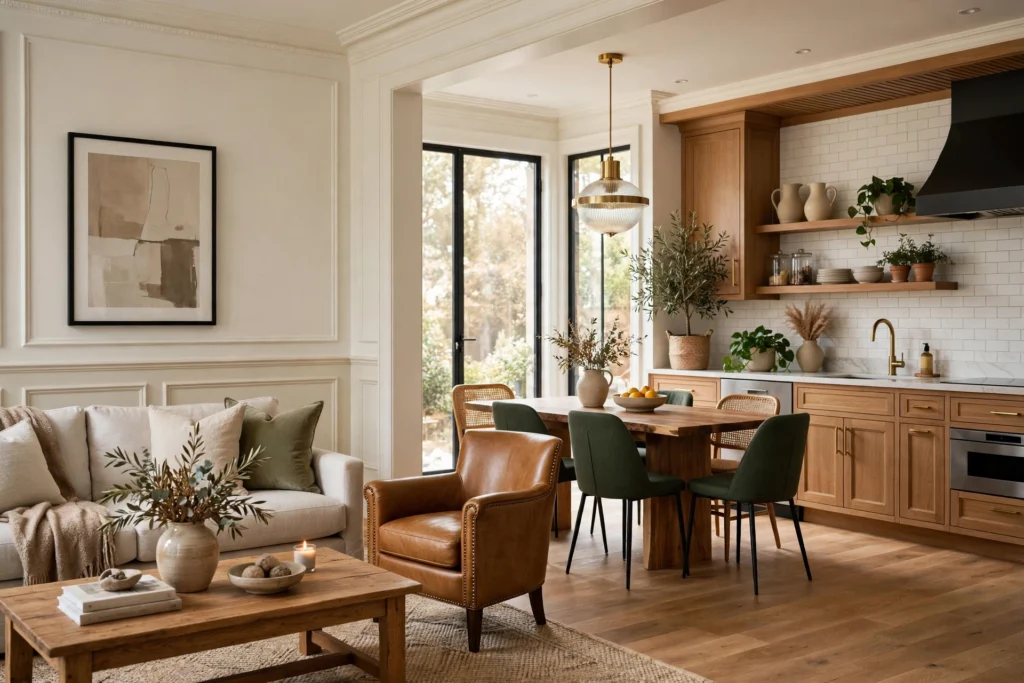
The kitchen rewards renovation more than any other room because it is used every day, so small improvements are felt constantly. Start with storage and work surfaces before decoration. Deep drawers for pots and pans, pull-out shelves in the pantry, and a proper place for baking trays remove the daily friction of digging through dark cupboards. A kitchen island, even a modest one, adds prep space, casual seating, and a natural gathering point.
For charm, two-tone cabinetry is a proven move: a deeper colour such as forest green or navy on the lower cabinets grounds the room, while light uppers keep it airy. Swap builder-grade hardware for solid brass or matte black handles, and add a statement tap, such as a bridge faucet or a pull-down spray in a warm metal finish. Layer the lighting with pendants over the island, under-cabinet strips for the worktop, and a dimmer for evening meals. Together these changes make the kitchen both harder working and far more inviting, without moving a single wall.
Bathroom Touches That Turn a Plain Washroom Into a Calm Retreat
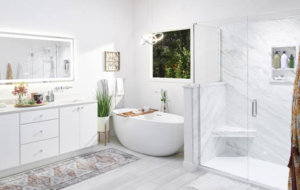
A bathroom renovation does not need a bigger footprint to feel luxurious. A floating vanity, mounted to the wall, shows more floor and makes a small bathroom feel larger, while its drawers keep clutter out of sight. Replacing a tub-shower combination with a walk-in shower, frameless glass, a rainfall showerhead, and a recessed niche for toiletries changes the whole feeling of the room. Large-format tiles with minimal grout lines look calm and are easier to keep clean, and a heated towel rail adds a small daily luxury that costs little to run.
Charm in a bathroom comes from texture and warmth rather than ornament. Consider a timber-look vanity, a stone basin, or patterned floor tiles that give the room personality underfoot while the walls stay quiet. A large mirror above the vanity bounces light around and makes the space feel double its size, and warm-white lighting flatters skin far better than cold overhead light.
Living Room Renovation Ideas That Invite People to Stay Longer
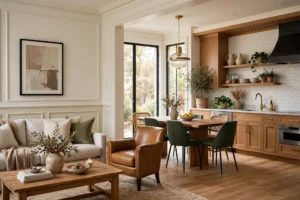
Living rooms fail most often on layout and light, not on furniture. Before buying anything, test the arrangement: seating should face each other or a focal point, not just the television, and there should be a clear path through the room that does not cut across the conversation area. If the room feels closed in, widening a doorway or opening a wall to the kitchen can transform how the whole ground floor feels, though load-bearing walls need a structural engineer’s advice before any work begins.
For charm, add architectural detail that builders often skip: picture-frame wall moulding, taller skirting boards, or a ceiling medallion above a pendant light all add depth and a custom-built feel for a modest cost. Layer lighting with a dimmable central fixture and floor lamps beside seating. Choose a rug large enough that the front legs of all seating sit on it, because a too-small rug shrinks a room visually. Finally, build in storage that hides the everyday mess, such as a low media unit with closed doors.
Bedroom Upgrades That Add Quiet Comfort and Clever Storage
A bedroom should help you rest, so renovation here is about calm, darkness, and order. Start with storage: a fitted wardrobe that runs to the ceiling uses dead space above standard wardrobes and removes the need for freestanding chests that crowd the floor. Under-bed drawers or a lift-up ottoman bed hide out-of-season clothes and spare bedding.
Charm in a bedroom is soft and tactile. A fabric or timber headboard, layered bedding in natural fibres, and a warm bedside lamp on each side create a hotel-like feeling at home. Paint the wall behind the bed in a deeper tone to make the bed the focal point, and keep the rest of the palette quiet. A small reading chair with a focused light turns an unused corner into a favourite spot.
Hallways, Entryways, and Forgotten Corners Worth Renovating
Hallways and entryways set the tone for the whole house, yet they are the rooms most often left until last. A proper entry makes daily life smoother: a bench for putting on shoes, hooks or lockers at a reachable height, a mirror, and a durable floor that handles wet boots and muddy paws. A console table with a tray for keys and post stops the daily hunt for essentials, and a runner rug adds colour and warmth while protecting the floor. Good lighting matters here more than anywhere, because a dark hallway makes the whole home feel unwelcoming.
Forgotten corners can earn their keep with a little imagination. The space under the stairs can become a reading nook or pull-out storage for coats and cleaning supplies, and a wide landing can hold a small desk or a window seat with storage beneath. Give each small space one clear job, build storage into it, and finish it with the same care as the main rooms.
A Room-by-Room Renovation Priority Table for Charm and Function
When the whole house needs work, a simple priority table stops you from spending the budget on the wrong room first. Rank each project by daily impact, cost, and disruption, then tackle the high-impact, low-disruption wins early so the house improves quickly while bigger jobs are planned.
Renovation Slip-Ups That Drain a Charm-Filled Budget
The most expensive renovation mistake is starting without a clear order of work. Painting walls before replacing floors, fitting a kitchen before the plaster is dry, or choosing tiles before the vanity arrives all lead to rework. Write the sequence down, confirm lead times for anything made to order, and keep a contingency of roughly ten to fifteen percent of the budget for surprises behind walls and under floors, because older homes almost always hide something. A second common mistake is following a trend too literally: a bold patterned tile can date quickly, so put the bold choice in something easy to change, such as paint or soft furnishings, and keep permanent surfaces timeless.
Another budget drain is buying cheap for the things you touch every day. Taps, door handles, drawer runners, and light switches are used hundreds of times a month, and poor-quality versions feel flimsy and fail early. Spend on the touchpoints and save on decoration that can be upgraded later. Finally, do not renovate room by room in isolation without a whole-house plan for colour, flooring transitions, and finishes. A floor that changes awkwardly at every doorway, or a different white in every room, quietly undermines the charm you paid for.
When a Whole-Home Renovation Needs a Licensed Contractor
Many stylish projects are safe do-it-yourself work, such as painting, fitting shelves, or swapping hardware. The line is crossed when work affects structure, gas, or electrics. Removing or altering walls, moving a load-bearing beam, rewiring a circuit, adding a new bathroom, or working on a gas boiler all need qualified professionals and, in many areas, permits and inspections. Electrical work in bathrooms and kitchens is especially regulated, and a licensed electrician should handle new circuits and anything inside a consumer unit.
Hire carefully: get at least three written quotes that itemise labour and materials, check references and recent work, and confirm insurance and licensing before anyone starts. A written contract should state the scope, the payment schedule tied to completed stages, and how changes are priced. Never pay the full amount upfront. If your home was built before the 1980s, test for lead paint and asbestos before disturbing old materials, and let a licensed specialist handle any removal. Knowing where DIY ends is not a limitation; it is what keeps a stylish renovation safe and insurable.
Final Thoughts: Charm and Function in Every Room of Your Home
A stylish home is not built in one dramatic renovation. It grows from a series of thoughtful projects, each chosen because it makes a room prettier and easier to live in at the same time. Start with the room you use most, fix the annoyance that bothers you daily, add one detail that makes you smile, and carry a consistent thread of colour and material through the house. Measure twice, keep a contingency in the budget, and call in professionals for structural, gas, and electrical work.
Renovation Charm and Function FAQs for Every Room
Which room should I renovate first for the biggest impact?
Start with the kitchen or the main bathroom, because both are used daily and their improvements are felt immediately. If the budget is small, begin with the living room’s lighting and layout, which can transform how the whole home feels for a modest cost. Choose the room whose problems annoy you most, not the room that looks worst in photographs.
How do I make renovations stylish without following short-lived trends?
Keep permanent surfaces timeless, such as neutral tiles, classic cabinetry, and quality flooring, and put trends into paint, textiles, lighting, and hardware that are easy to change. A bold colour on one wall or a patterned tile in a small area gives personality without locking the whole room into a look that may date in a few years.
What is the cheapest stylish renovation project with real impact?
Painting is the cheapest high-impact change, especially when combined with new hardware and layered lighting. Swapping cabinet handles, adding a large mirror, fitting a statement pendant, and laying a proper rug can make a room feel renovated for a fraction of a full remodel, and all of it can be done in a weekend.
How much contingency should I keep in a renovation budget?
A contingency of ten to fifteen percent of the total budget is a sensible cushion for most homes, and older properties often need more. Surprises behind walls, under floors, and inside old plumbing are common, and a contingency keeps a small discovery from forcing you to cut the finishes that make the project feel complete.
Can I renovate one room at a time without the house feeling unfinished?
Yes, provided you have a whole-house plan first. Decide the colour palette, flooring transitions, and metal finishes before the first room starts, then renovate in sequence. Each finished room should already match the plan, so the house improves steadily instead of ending up with a different style in every doorway.
Do stylish renovations actually add value to a home?
Kitchens and bathrooms usually add the most value, especially when they improve layout, storage, and light. Buyers notice quality finishes, good storage, and a coherent style throughout the home. Keep receipts and records of permitted work, which supports value better than undocumented DIY.