Uno Fitter Lamp Shade: What It Is and How to Measure for the Right Fit
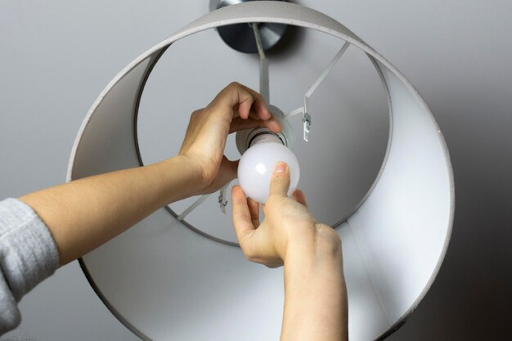
You find the most stunning vintage lamp at a flea market or a sleek new base online, and you’re ready to top it off with a gorgeous shade. But then you look at the bulb socket and realize something is different. There’s no pointy “harp” sticking up, and there’s no visible nut at the top.
If your lamp has threads right on the socket itself, congratulations! You’ve met the Uno fitter lamp shade. While it might seem a bit confusing compared to the standard “spider” fitters we see everywhere, the Uno system is one of the most clever and stable ways to dress up a lamp.
In 2026, as we lean more into DIY home refreshes and unique lighting, understanding this specific hardware is the key to unlocking those high-end custom lampshades you’ve been eyeing. Let’s break down what an Uno fitter is and how to make sure you don’t end up with a shade that’s a “mismatch made in heaven.”
What is an Uno Fitter?
Most standard American lamps use a “Spider” fitter, which sits on a metal U-shaped frame called a harp. The uno fitter lamp shade, however, is a bit of a rebel. It doesn’t need a harp at all. Instead, the metal “fitter” (the inner ring of the shade) is designed to sit directly on the lamp socket. There are two main types you’ll run into:
- Threaded Uno: These have internal threads that literally screw onto the socket. You’ll usually see these on “downbridge” floor lamps or bedside lamps where the bulb points downward.
- Slip Uno: These don’t have threads; they simply slide over the socket and are held in place by the light bulb or a plastic ring (called a flamboyant or socket ring).
The beauty of this system is its simplicity. It creates a very clean, streamlined look because there’s no extra hardware visible. It’s the go-to choice for many custom lamp shades because it allows the fabric and shape of the shade to be the star of the show.
How to Measure Like a Pro
Ordering a shade only to find it’s too small (or so big it swallows the lamp base) is a major bummer. When you’re shopping for an Uno fitter lamp shade, accuracy is everything. Here is the three-step “Golden Rule” for measuring:
1. The “Drop” is Crucial
Unlike spider shades, the fitter on an Uno shade is usually “recessed.” It means the ring sits a few inches down inside the shade. Measure from the top of the shade down to where the center ring sits. If the drop is too shallow, your light bulb might peek out from the bottom. If it’s too deep, the shade might hit the lamp base.
2. Top, Bottom, and Slant
To get that perfect silhouette, you need three numbers:
- Top Diameter: Across the very top of the shade.
- Bottom Diameter: Across the widest part at the bottom.
- Slant Height: The diagonal distance from the top edge to the bottom edge.
3. Check the Socket Diameter
Not all Uno sockets are the same size! Most standard Threaded Unos have an opening of about 1-1/4 inches. However, some European-style lamps (common in 2026 boutique designs) might use a larger ring. Always measure the width of your socket before hitting “buy” on those custom lamp shades.
Why Go Custom?
If you have an Uno fitter lamp shade, you might have noticed that big-box stores don’t always carry a huge variety. It is the perfect excuse to explore custom shades.
Going custom allows you to choose the exact “drop” distance so your bulb stays perfectly hidden, and you can pick fabrics that actually match your 2026 decor—think textured linens, bold botanical prints, or even sustainable cork materials.
Final Thoughts
Finding the right Uno fitter lamp shade doesn’t have to be a headache. Once you know your measurements, switching out a tired old shade for a fresh, custom look is one of the fastest ways to fall in love with your room all over again.
FAQs
1. Can I use an Uno shade on a lamp with a harp?
Not directly. Uno shades are designed to sit on the socket. If your lamp has a harp, you need a “Spider” fitter shade. However, you can buy adapters if you want an Uno-style shade.
2. My Uno shade is wobbly. What’s wrong?
Check if you’re missing the “socket ring.” For Slip Uno shades, there is usually a plastic or metal ring that screws onto the socket after you put the shade on to lock it in place.
3. Which way does the Uno fitter face?
On most floor lamps where the bulb points down, the “spokes” of the fitter will curve upward toward the top of the shade. It helps “drop” the shade down to cover the hardware.
4. Are Threaded Unos and Slip Unos interchangeable?
Usually, no. A threaded socket requires a threaded fitter to be secure. A slip fitter will just slide around on a threaded socket and won’t be stable.
5. How far should the shade cover the socket?
Ideally, the bottom of your Uno fitter lamp shade should end just below the bottom of the socket. It hides all the “ugly” electrical bits while letting the light shine exactly where you need it.
Stay in touch to get more updates & news on Lufanest!