Pappedeckel: The Humble Cardboard Lid With a Big Impact
Introduction: What Is a Pappedeckel?
If you’ve ever ordered a hot cup of coffee on the go in Germany or at a local café in Europe, chances are you’ve already encountered a pappedeckel. This simple word translates to “cardboard lid” in English, but its role in everyday life is far more significant than it might first appear. From protecting your drink, keeping your hands safe from heat, and preventing spills, to representing an environmentally conscious alternative to plastic, the pappedeckel has quietly established itself as an indispensable part of modern beverage culture.
The term is most commonly associated with disposable coffee cup lids, but its use is not limited to coffee alone. Many food service businesses rely on cardboard lids and covers for soups, ice creams, takeaway containers, and other consumables. As sustainability becomes a growing priority worldwide, the pappedeckel has transformed from being just a convenient throwaway item to a symbol of eco-friendly innovation.
Interestingly, while people may not always stop to think about how much design and thought goes into something as small as a cup lid, the pappedeckel represents a fascinating intersection between functionality, consumer behavior, and environmental responsibility. Let’s dive deeper into its history, uses, manufacturing, and cultural relevance.
The History and Evolution of the Pappedeckel
The idea of using cardboard in packaging is not new. Cardboard itself dates back to the 19th century, when it was first used for shipping and product protection. Over time, its lightweight, durable, and cost-effective nature made it a natural choice for disposable food and drink containers.
The specific application of pappedeckel, however, became widespread with the rise of takeaway coffee culture. Coffee, once a beverage associated with cafés and social gatherings, gradually became a portable necessity for busy commuters, students, and professionals. With the introduction of disposable paper cups in the 20th century, there came an obvious need for a lid. While early versions were often plastic, the growing environmental concerns of the late 20th and early 21st centuries prompted manufacturers to innovate with paper-based and cardboard alternatives.
Today, the pappedeckel is not only a practical solution but also a branding opportunity. Cafés and coffee shops use custom-printed lids as a way to extend their identity, while eco-conscious businesses highlight their use of recyclable materials as a marketing point. The once-overlooked cardboard lid has quietly evolved into a staple of sustainable consumer culture.
Why Pappedeckel Matters in Sustainability
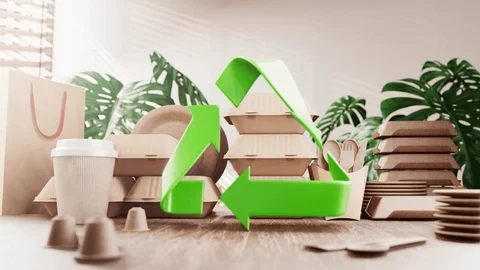
One of the biggest selling points of pappedeckel is its eco-friendly nature. Unlike plastic lids, which often end up in landfills or oceans where they take hundreds of years to decompose, cardboard lids can be recycled or composted. This simple shift makes a massive difference in reducing plastic waste worldwide.
When we think about waste generated by takeaway culture, the numbers are staggering. Millions of cups and lids are discarded daily. Even if the cups themselves are recyclable, plastic lids frequently end up contaminating recycling streams. A pappedeckel solves this problem because it is typically made of the same material as the cup, allowing the two to be disposed of together.
Additionally, many manufacturers now produce pappedeckel from responsibly sourced, biodegradable materials. Some are even coated with natural plant-based films instead of plastic, further reducing environmental harm. As regulations tighten on single-use plastics in Europe and beyond, the demand for paper-based solutions like pappedeckel is only going to grow.
Everyday Uses of Pappedeckel
Though most people immediately associate pappedeckel with coffee cups, its applications extend much further. In fact, the versatility of cardboard lids makes them a popular choice in many foodservice industries.
For example, soup takeaway bowls often use sturdy cardboard lids that help retain heat and prevent leakage. Ice cream shops package their tubs with snug-fitting cardboard covers to keep the contents cold and fresh. Even bakeries and confectioners make use of cardboard lids for packaging sweets, pastries, and small gift boxes.
Beyond the food industry, pappedeckel is also found in packaging for cosmetics, pharmaceuticals, and small retail items. Its lightweight but strong structure provides protection without adding significant weight, making it ideal for shipping and storage. The truth is, once you start noticing pappedeckel, you’ll realize it’s everywhere around you.
Design and Functionality: More Than Meets the Eye
At first glance, a pappedeckel might look like a flat, unremarkable piece of cardboard. But the design process behind these lids is surprisingly intricate. Engineers and manufacturers need to balance practicality, durability, and user experience.
For example, a coffee cup lid must do several things at once:
- Prevent spills while drinking on the go.
- Maintain the temperature of the beverage for longer.
- Fit securely without warping or loosening.
- Be easy to recycle or compost after use.
Designers also consider small details like venting holes to release steam, sipping cutouts that prevent drips, and ergonomic shapes that make drinking comfortable. These are not random design choices but carefully tested features that affect customer satisfaction.
Aesthetics also play a role. Many cafés invest in branded pappedeckel designs that feature logos, taglines, or eco-friendly messages. This small detail can leave a lasting impression on customers and help build brand loyalty.
Pappedeckel vs. Plastic Lids: The Ongoing Debate
Even with the rise of cardboard alternatives, plastic lids still dominate in many parts of the world. So why hasn’t pappedeckel completely replaced them? The answer lies in cost, durability, and consumer habits.
Plastic lids are cheap, resistant to moisture, and easily mass-produced. They also tend to fit more securely than early cardboard versions, which sometimes warped with heat. However, as technology improves, modern pappedeckel designs are catching up fast. Many are now coated with biodegradable liners that resist liquids without the need for plastic.
From an environmental standpoint, cardboard wins hands down. Plastic may be cheaper in the short term, but its long-term cost to the planet is devastating. Cities and countries with strict anti-plastic regulations are already shifting toward cardboard solutions, which suggests that pappedeckel will soon become the default choice.
The Cultural Role of Pappedeckel in Europe
In Germany, the pappedeckel is more than just a lid—it’s part of a broader cultural shift toward eco-conscious living. Germans, known for their strong recycling systems and commitment to sustainability, often prefer businesses that prioritize biodegradable packaging. For many customers, using a paper lid is not just about function but also about values.
Coffee culture in Germany and across Europe has also embraced this trend. Local cafés frequently highlight their blowout taper eco-friendly packaging choices, and consumers have come to expect sustainable alternatives. The pappedeckel has, in a way, become a symbol of this shared responsibility.
This cultural significance makes the pappedeckel stand out compared to plastic lids, which are often seen as outdated or careless. By choosing cardboard, businesses send a message that they care about the environment and are willing to invest in sustainable solutions.
How Pappedeckel Are Made
The production of pappedeckel is a fascinating process that combines modern technology with sustainable practices. It typically starts with sheets of high-quality cardboard, often sourced from recycled paper fibers. These sheets are cut, pressed, and shaped into lids that match the exact dimensions of the containers they’re designed to cover.
Manufacturers often apply thin coatings to make the cardboard water- and heat-resistant. Increasingly, these coatings are made from plant-based materials like cornstarch or sugarcane fibers, which break down naturally after disposal. Once formed, the lids are tested for durability, fit, and safety before being packaged for distribution.
What’s particularly impressive is how the industry has innovated to keep up with growing demand. High-speed machines can now produce thousands of pappedeckel per hour, ensuring that businesses from small cafés to global franchises can access eco-friendly alternatives without supply issues.
Future Trends: The Next Chapter for Pappedeckel
Looking ahead, the role of pappedeckel is set to expand even further. With governments enacting stricter bans on single-use plastics, demand for cardboard solutions will continue to rise. Manufacturers are already exploring advanced designs, including reusable cardboard lids, biodegradable coatings that completely dissolve in water, and smart packaging that integrates QR codes for marketing.
Another growing trend is personalization. Businesses increasingly want packaging that reflects their brand identity, and pappedeckel offers a perfect canvas. Expect to see more creative designs, colorful prints, and interactive messages printed directly on cardboard lids in the future.
Most importantly, as consumers become more conscious of their ecological footprint, pappedeckel will likely evolve from being just a convenient lid to a standard of responsible living.
Conclusion: Why Pappedeckel Deserves More Attention
The pappedeckel may seem like a small, everyday item, but it carries a surprising amount of significance. From its origins in the rise of takeaway culture to its role as a sustainable alternative to plastic, it represents how even the simplest innovations can make a big difference in shaping consumer behavior and environmental outcomes.
Keep an eye for more latest news & updates on Lufanest!