How to Choose the Best RV for Long-Term Travel
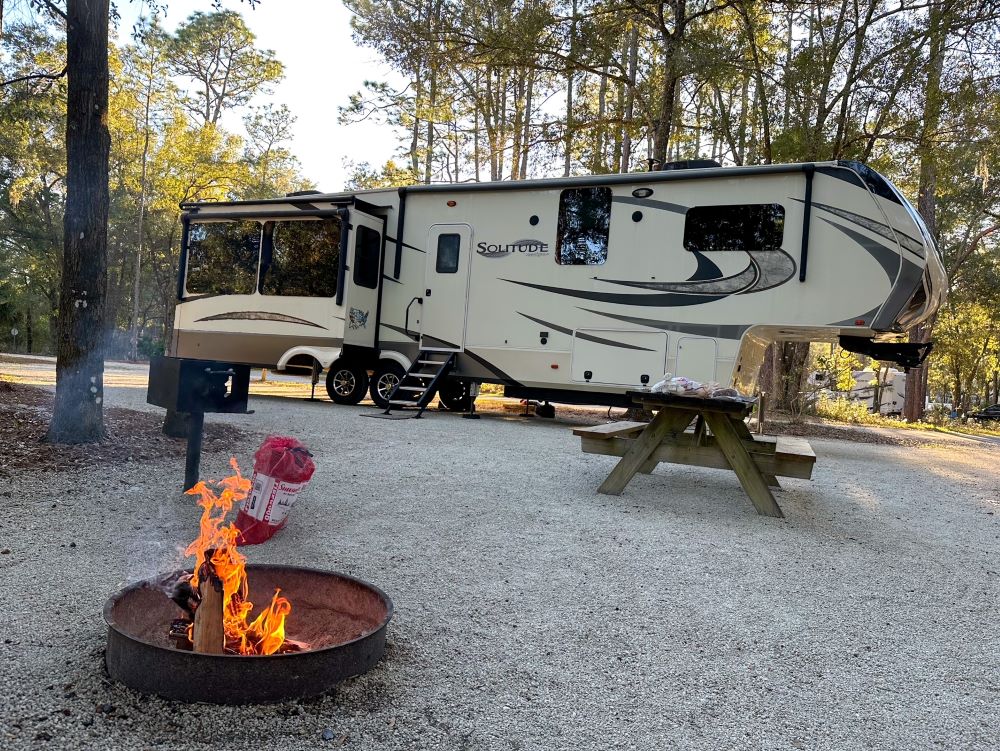
RV
Long-term travel is an increasingly popular way to experience freedom, explore diverse landscapes, and embrace a lifestyle on the road. Whether you’re planning to traverse scenic highways, live near lakeshores, or work remotely while traveling, selecting the right recreational vehicle (RV) is crucial. A well-chosen RV provides not only comfort and functionality but also reliability for extended journeys. For those committed to this lifestyle, understanding the factors that differentiate an ordinary RV from one suited for extended travel is essential. This guide offers insights into choosing long-term travel RVs and ensures your adventures remain smooth, comfortable, and worry-free.
Understanding Your Travel Needs
The first step in selecting an RV for long-term travel is understanding your unique needs. Consider the following: the number of travelers, travel destinations, preferred lifestyle, and the kind of mobility you desire. Couples traveling light might opt for a smaller, more fuel-efficient model, whereas families may require larger floor plans with multiple sleeping areas and extra storage. Likewise, if you plan to stay in remote areas with limited hookups, choosing an RV with robust off-grid capabilities—like solar panels, large freshwater tanks, and a generator—is vital.
Additionally, consider your seasonal plans. Will you primarily travel in summer, or do you expect to endure colder climates? Some RVs are better insulated and equipped for winter travel, while others are ideal for temperate conditions. By aligning your RV choice with your travel patterns and lifestyle, you set a strong foundation for a rewarding journey.
Evaluating RV Types
There are several types of RVs, each offering distinct advantages and trade-offs. Class A motorhomes are large and luxurious, providing spacious interiors, ample storage, and numerous amenities. However, they require careful handling and are less fuel-efficient. Class B vans are compact, highly maneuverable, and excellent for city driving or narrow roads, but they offer limited living space. Class C motorhomes strike a balance between size and functionality, often featuring over-cab sleeping areas and moderate storage.
Towable options, such as travel trailers and fifth wheels, offer flexibility, especially if you already own a capable tow vehicle. Travel trailers can be detached, giving you the freedom to explore local areas while keeping your living quarters stationary. Fifth wheels, meanwhile, often provide luxurious layouts and improved stability during towing. Choosing the right type depends on your driving comfort, storage needs, and desired amenities.
Assessing Layout and Storage
An often-overlooked aspect of long-term travel is interior layout and storage. Living on the road for months—or even years—requires thoughtful space management. Look for RVs with versatile furniture, convertible sleeping areas, and ample cabinetry. Kitchens should be functional with sufficient counter space, storage for provisions, and reliable appliances. Bathrooms should be practical yet comfortable, as frequent use is expected.
Storage extends beyond interior space. Exterior compartments, under-bed storage, and accessible storage solutions for recreational gear and tools are essential. Effective storage organization ensures your RV remains uncluttered and comfortable during extended travel. Additionally, consider weight distribution and payload limits, as overloading can impact vehicle handling and safety.
Prioritizing Comfort and Amenities
Long-term travel demands comfort—both in daily living and during driving. Seating, beds, and climate control systems significantly impact your overall experience. High-quality mattresses, ergonomic seating, and effective HVAC systems help prevent fatigue and ensure restful downtime. Some RVs also feature slide-outs, which expand living space when parked, enhancing comfort without increasing travel width.
Modern amenities, such as energy-efficient appliances, reliable water heating systems, and entertainment options, contribute to a home-like experience. While luxury is appealing, prioritize durability and practicality over aesthetic features. Long-term travel exposes your RV to wear and tear, so choosing materials and systems built for longevity is crucial.
Considering Fuel Efficiency and Maintenance
Fuel efficiency and maintenance are critical factors for those planning extended road trips. Long-term travel RVs should balance performance with economical operation. Diesel engines often provide better fuel efficiency and longevity, particularly for larger motorhomes, while gasoline engines may be preferable for smaller, lighter models.
Routine maintenance and reliability are equally important. Opt for RVs with proven track records and readily available parts. Research service networks along your intended routes to ensure repairs and maintenance are accessible. Investing time upfront in understanding the mechanical and structural aspects of your RV can prevent costly surprises on the road.
Embracing Technology and Safety Features
Modern RVs come equipped with advanced technology and safety systems that enhance the long-term travel experience. GPS navigation tailored for RVs, backup cameras, lane departure warnings, and tire pressure monitoring systems provide peace of mind during long drives. Onboard connectivity, including Wi-Fi boosters and mobile internet setups, ensures you can work remotely or stay connected with family and friends while traveling.
Safety features, such as fire extinguishers, carbon monoxide detectors, and emergency road kits, are essential for any long-term travel RV. Ensuring that your vehicle is well-equipped for emergencies not only protects you but also enhances overall confidence during extended trips.
Planning for Budget and Resale Value
Budget is a practical consideration that can influence your choice of RV. Beyond the purchase price, consider operating costs, insurance, maintenance, and fuel expenses. A well-maintained RV often retains its resale value, making it a smarter long-term investment. When evaluating options, compare prices relative to features, build quality, and potential longevity.
Additionally, purchasing from reputable dealers ensures warranty coverage, professional support, and access to resources that can guide you through the selection process. By taking a holistic approach to budgeting, you can enjoy long-term travel without financial strain.
Making the Final Decision
Choosing the best RV for long-term travel is a balance of lifestyle, comfort, functionality, and reliability. Thorough research, careful evaluation of travel needs, and an understanding of different RV types help narrow down the options. Visiting dealerships, taking test drives, and inspecting RV layouts firsthand allows you to make an informed decision tailored to your unique journey. For travelers ready to embrace the road with confidence, exploring long-term travel RVs at Johnston RV Center provides a comprehensive selection of vehicles designed for extended adventures.
Conclusion
Embarking on long-term travel is an exciting lifestyle choice that demands thoughtful planning and preparation. By understanding your travel needs, evaluating RV types, prioritizing comfort, and considering efficiency and safety, you can select an RV that enhances your experience on the road. A well-chosen RV becomes more than just a vehicle—it becomes your home, your workspace, and your gateway to unforgettable adventures. Taking the time to research and invest in the right RV ensures that every mile is enjoyable, comfortable, and stress-free.
Keep an eye for more latest news & updates on Lufanest!