Creative Ways Architects Are Using Interlocking Cladding Beyond Exterior Walls
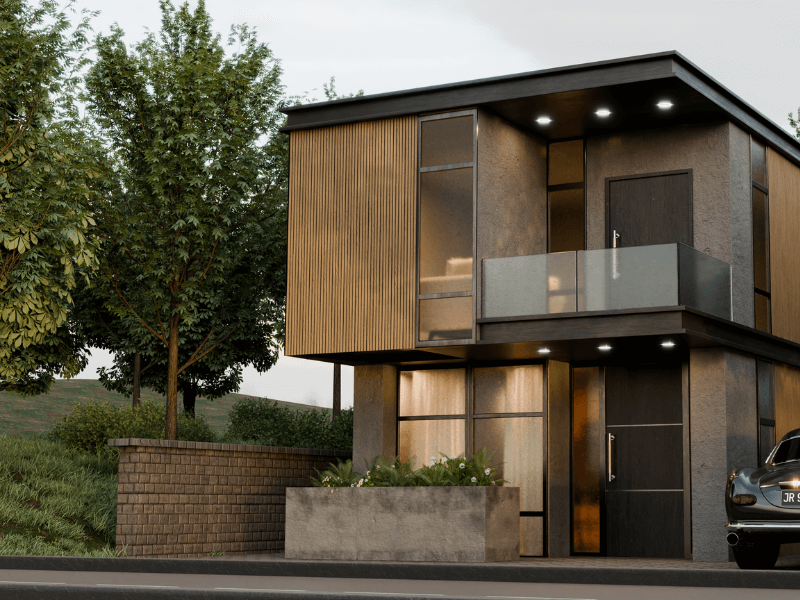
Architecture is no longer just about putting up walls and roofs. These days, it is all about creating spaces that feel unique and memorable. People want homes that reflect their personality. Businesses want spaces that leave a lasting impression. Because of that, architects are constantly looking for fresh ideas and versatile materials.
One material that has gained a lot of attention is interlocking cladding. Most people know it as an exterior building material. That is usually the first thing that comes to mind. After all, cladding has traditionally been used to protect buildings from weather and wear.
Things have changed quite a bit, though. Modern architects are using interlocking cladding in some surprisingly creative ways. It is no longer limited to outside walls. Instead, it has become a design feature that can transform all kinds of spaces.
The best part is its versatility. It looks stylish. It feels modern. It also works well in many different settings. From homes to hotels, architects are finding clever ways to make the most of it.
Let’s take a look at some of the most creative uses of interlocking cladding in Melbourne.
Giving Interior Walls More Personality
Nobody gets excited about a plain wall. Empty walls often make a room feel unfinished. They can also make a space look a little boring.
That is where interlocking cladding comes in. Architects often use it to create feature walls that instantly grab attention. The texture adds depth. The patterns create visual interest. The finished look feels polished and modern.
Homeowners love this idea. Visitors notice it right away. A simple living room suddenly feels more stylish. Even a small space can feel more luxurious.
Timber-look cladding is especially popular. It creates a warm and welcoming atmosphere. Metal finishes offer a different feel. Those options often suit modern and industrial-inspired interiors.
The result is simple. A wall becomes part of the room’s personality.
Making Ceilings Far More Interesting
Most people rarely think about ceilings. They are usually painted white and forgotten about. Architects often see them as a blank canvas.
Creative ceiling designs can completely change how a room feels. Interlocking cladding helps make that happen. The added texture draws the eye upward. The space instantly feels more dynamic.
Some designers cover an entire ceiling. Others focus on specific sections. For example, a dining area may have a cladded ceiling feature that separates it from the rest of an open-plan space.
Guests often notice the difference immediately. The room feels more thoughtful. The design feels more complete.
Sometimes the ceiling becomes the star of the show.
Creating Reception Areas That Stand Out
First impressions matter a lot. People start forming opinions the moment they walk through the door. That is why reception areas deserve special attention.
Businesses want visitors to feel welcome. Companies also want to look professional. Interlocking cladding helps achieve both goals.
Many architects use it behind reception desks. Others include it on surrounding walls. Some even continue the design onto nearby ceilings.
Everything feels connected. The space looks polished. The overall atmosphere feels more inviting.
Clients often remember these details. Small design choices can leave a surprisingly big impact.
Using Room Dividers in Creative Ways
Open-plan spaces are still very popular. They feel spacious and bright. They also encourage better flow throughout a building.
Sometimes, however, a little separation is helpful. Traditional walls can make a space feel closed off. Room dividers offer a more flexible solution.
Interlocking cladding works beautifully for this purpose. Architects use it to create stylish dividers that define different areas without blocking everything off.
Light can still move through the space. The room still feels open. At the same time, each area gets its own identity.
This approach works well in homes. It is also popular in offices and hospitality venues.
Best of all, the divider becomes a feature instead of just a partition.
Bringing Retail Stores to Life
Retail spaces need to grab attention quickly. Customers have countless choices these days. A store needs to stand out from the crowd.
Interlocking cladding helps create a more memorable shopping environment. Display areas feel more attractive. Product showcases become more eye-catching. The overall space feels more premium.
Fashion stores often use warm timber finishes. Technology retailers usually lean toward sleek metallic designs. Boutique stores frequently experiment with bold textures and patterns.
Customers notice these details. The environment feels more engaging. People often spend more time browsing.
That extra engagement can be incredibly valuable.
Adding Warmth to Hotels and Restaurants
Nobody wants to spend time in a space that feels cold or lifeless. Hotels and restaurants understand this very well. Atmosphere plays a huge role in the customer experience.
Interlocking cladding helps create that atmosphere. Hotel lobbies instantly feel more welcoming. Restaurants gain texture and character. Bar areas become more visually appealing.
Guests often respond positively. The space feels comfortable. The environment feels thoughtfully designed.
Another benefit is durability. Hospitality venues experience constant traffic every day. Materials need to handle heavy use.
Fortunately, interlocking cladding is built to last. It combines style with practicality.
That combination makes it a favorite among designers.
Making Home Offices More Enjoyable
Working from home has become much more common. Many people now spend hours each day in a home office.
Nobody wants to work in a dull environment. A plain room can feel uninspiring. Creativity and focus often suffer.
Architects use interlocking cladding to make home offices more inviting. A textured feature wall adds character. The space feels more professional. Video call backgrounds look much better too.
The room becomes a place where people actually enjoy working.
That can make a big difference over time.
Helping Improve Acoustic Comfort
Noise can quickly become a problem in busy spaces. Offices often struggle with distractions. Restaurants can become overwhelmingly loud. Public buildings sometimes experience similar challenges.
Certain interlocking cladding systems can help reduce sound reflections. The result is a more comfortable environment.
People can hear conversations more clearly. Workspaces become easier to focus in. Guests enjoy a better experience.
Architects appreciate solutions that look good and perform well. Interlocking cladding manages to do both.
The Conclusion
Interlocking cladding will likely remain a popular choice for years to come. New finishes continue entering the market. Creative applications keep appearing. Architects continue finding fresh ways to use it.
The growing demand for Interlocking Cladding in Melbourne reflects that trend perfectly. What started as a practical exterior solution has become something much bigger. Today, interlocking cladding helps shape beautiful interiors, impressive commercial spaces, and unforgettable design experiences.
For installation or more insights, you can connect with Studio Clad.
Stay in touch to get more updates & news on Lufanest!